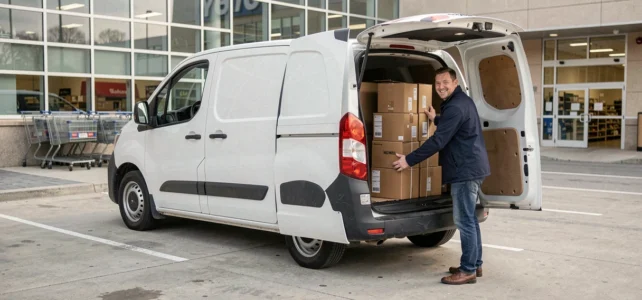
Several furniture and DIY retailers offer free van rentals to their customers after making a purchase in-store. The principle seems simple: you pay for your bulky items, and we lend you a vehicle to take them home. In practice, the conditions vary significantly from one retailer to another, and the notion of free service deserves closer examination.
Deposit and fuel: the true cost of a free van in-store
The word “free” appears on the service pages of most relevant retailers. It refers to the absence of charges for using the vehicle during a given time slot, usually two hours. What doesn’t always appear at first glance are the additional fees.
Since 2023-2024, the deposit amounts have significantly increased. Depending on the size of the vehicle, the deposit can exceed 1,000 euros, held on your credit card for the entire duration of the rental. This amount is not charged if the vehicle is returned in the condition specified in the contract, but it requires a reserve available in your account at the time of pickup.
The contracts also require returning the vehicle with a full tank of fuel, a clean interior, and a condition that matches the initial inventory. Any anomalies (scratches, delays, insufficient fuel level) may result in additional charges. The free van rental from Conforama operates on a similar principle, with specific conditions detailed before handing over the keys.
The free service applies to the hourly rate, not the entire service. Fuel consumed, any insurance deductible, and time spent remain your responsibility. Keeping this distinction in mind helps avoid surprises when returning the vehicle.
Required documents and eligibility conditions by retailer
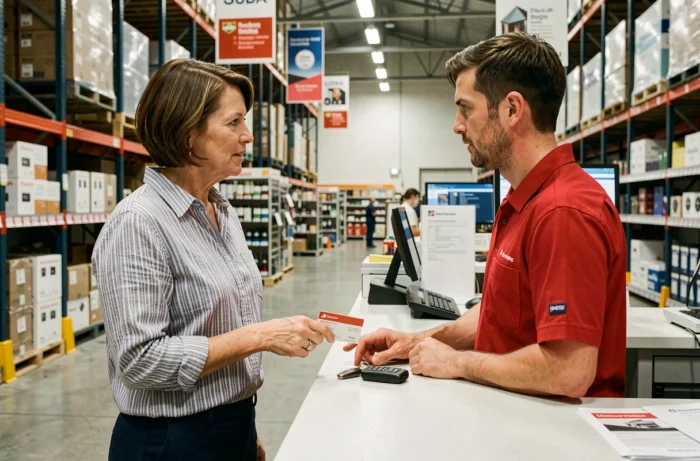
Almost all stores offering this service require three items: a valid ID, a driver’s license (category B is sufficient for the vans offered), and a proof of purchase from the same day. Some retailers add a minimum purchase amount to trigger access to the rental.
Variations from one retailer to another
The rules are not uniform. Here are the main points of divergence:
- The rental duration typically varies from one to two hours, with penalties for exceeding the time sometimes charged by the quarter-hour.
- Some stores limit the service to holders of an active loyalty card, while others open it to any customer who has made a purchase.
- The geographical area may be restricted: some retailers impose a maximum radius around the point of sale, verified by the odometer.
- The included insurance rarely covers damage to the load itself. Only the vehicle is covered, with a variable deductible.
Check the specific conditions of your store before the day of purchase. A quick call to the pickup service at the point of sale can confirm the availability of the vehicle and the documents to bring.
Actual availability of vehicles: a service under pressure
The number of vans allocated to this service remains limited, often one or two per store. Weekends and sale periods make availability uncertain. Few retailers offer online reservations for fixed time slots; in most cases, the rental operates on a first-come, first-served basis.
This logistical constraint explains a paradox: the service exists and is free, but it is not guaranteed. A customer who organizes their transport around this option may find themselves without a vehicle available on the day.
Alternatives when the van is not available
Several stores then direct customers to home delivery, charged according to volume and distance. Delivery fees for bulky furniture regularly exceed several dozen euros, with a rising trend over the last two years due to the general increase in transport costs.
Van services with drivers, offered by independent providers, are also developing in parallel. Their hourly pricing is transparent, and they handle loading, which can be suitable for heavier purchases (appliances, pallets of materials).
Insurance and driver responsibility during the rental
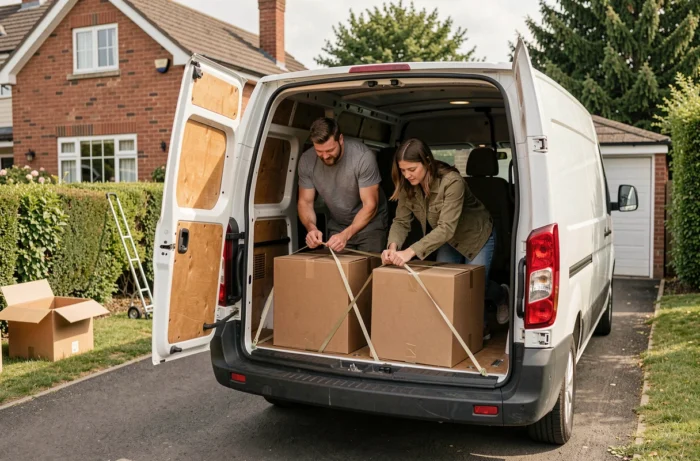
The rental contract signed in-store holds you responsible as the driver. In practice, you are considered the renter of the vehicle even if no rent is charged. The consequences in case of an incident depend on the insurance contract taken out by the retailer and the deductible that applies to you.
Several points deserve attention before getting behind the wheel:
- The deductible in case of damage to the vehicle varies greatly. Inquire about the exact amount before signing.
- Damage caused to third parties (road accidents) is covered by the vehicle’s insurance, but a responsible incident may lead to a deductible claim against you.
- The transported contents (your furniture, your appliances) are generally not insured by the store. Your multi-risk home insurance may cover goods in transit, under certain conditions.
Request a copy of the insurance conditions at the time of key handover. This document specifies your obligations and the cases of exclusion from coverage.
What this service reveals about the retailers’ strategy
The free van rental is not an altruistic commercial gesture. For the store, it reduces last-mile delivery costs, eliminates the need to manage delivery time slots, and decreases claims related to damaged packages during transport. The customer handles the loading and the trip themselves.
The rise in logistics costs in the freight transport sector reinforces the appeal of this system for retailers. Offering a self-service vehicle is cheaper than maintaining a delivery fleet with drivers. In return, access conditions are tightening to limit abuse and wear of the vehicle fleet.
The service remains a real attraction for customers who have a category B license and a credit card with sufficient reserve for the deposit. For others, paid delivery or using an external provider remains the only concrete option.