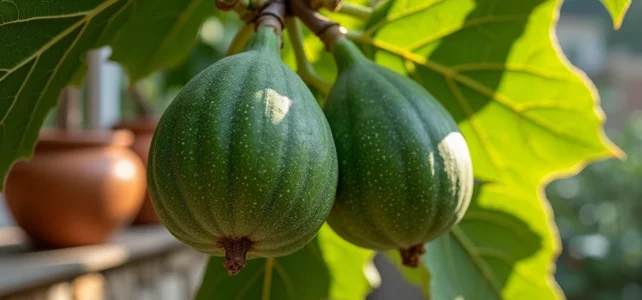
The fig tree produces a milky sap that can cause skin burns in anyone exposed, without any prior allergic background. This mechanism, called phytophotodermatitis, relies on photoreactive molecules present in the sap, leaves, and stems of the fig tree. Distinguishing this direct toxicity from a true allergy to the fruit changes the way to protect oneself and react.
Phytophotodermatitis and fig allergy: two distinct mechanisms
| Criterion | Phytophotodermatitis (toxicity) | True fig allergy (immunological) |
|---|---|---|
| Mechanism | Chemical reaction between furanocoumarins in the sap and UV rays | Immune response with production of IgE antibodies |
| People affected | Anyone exposed, without exception | Only sensitized individuals |
| Part of the plant involved | Sap, leaves, stems | Fruit (fresh or dried), sometimes latex |
| Triggering conditions | Skin contact + sun exposure | Ingestion or contact, regardless of sun |
| Type of lesions | Burns that can reach second degree, lasting hyperpigmentation | Hives, edema, oral syndrome, or even anaphylaxis |
| Main prevention | Gloves, long sleeves, avoid sun after contact | Food avoidance, allergist consultation |
This table highlights a common confusion: the majority of skin incidents related to the fig tree are not due to an allergy. They result from a chemical toxicity that affects everyone, including individuals with no atopic history. A 2024 publication in the journal Life confirmed the role of furanocoumarins and psoralens as photosensitizing agents in fig sap.
To better understand fig allergies on Santé Info, it is important to keep in mind this distinction between universal toxic reaction and individual immunological allergy.
Furanocoumarins in the fig tree: why the sap burns in the sun
The sap of the fig tree contains a milky white latex rich in ficin (a proteolytic enzyme) and furanocoumarins. These are photochemical compounds that remain inert in the shade. As soon as they come into contact with the sun’s ultraviolet rays, they cause an inflammatory reaction on the skin.
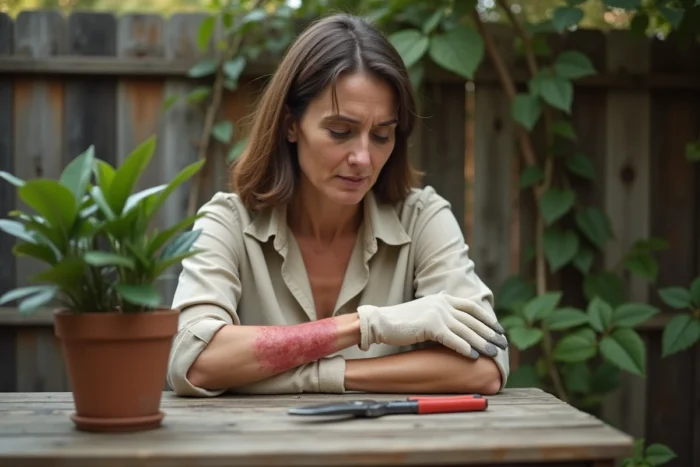
The process occurs in two stages. First, the furanocoumarins penetrate the epidermis at the point of contact. Then, sun exposure triggers phototoxicity: redness, blisters, and sometimes burns comparable to second degree. Brown hyperpigmentation may persist for several weeks or even months.
Research published in Contact Dermatitis identified 8-methoxypsoralen as one of the main agents responsible for contact dermatitis from fig tree exposure. These findings suggest that photoallergy to the fig tree may be more common than clinical data previously indicated.
Why the risk increases in summer
The size of the fig tree, the harvesting of figs, and simply brushing against the leaves while gardening expose individuals to latex. In summer, the sun is at its zenith and the sap circulates actively. These two combined factors explain why most cases of fig phytophotodermatitis occur between June and September.
A detail often overlooked: the sap can remain active on the skin even after a superficial rinse. Washing with water and soap immediately after contact reduces the risk but does not eliminate it if sun exposure has already occurred.
Food allergy to figs: cross-reactions with latex
Immunological allergy to figs exists, but it is rarer than phytophotodermatitis. It concerns the fruit itself, whether fresh or dried, and activates the immune system via IgE antibodies.
Individuals allergic to natural latex are at increased risk of reacting to figs. This cross-reactivity is explained by the structural proximity between certain proteins in rubber latex and those in the fig tree. Other fruits share this profile: banana, avocado, kiwi, chestnut.
- Symptoms of food allergy to figs include oral syndrome (itching of the lips, tingling in the throat), localized or generalized hives, and in severe cases, angioedema
- The reaction typically occurs within minutes of ingestion, regardless of any sun exposure
- The diagnosis relies on skin prick tests and specific IgE measurement, performed by an allergist
The latex-fig cross-reactivity remains underdiagnosed. A person who experiences oral itching after eating a fresh fig and knows they are sensitive to latex should inform their doctor.

Protecting your skin and health from the fig tree: concrete actions
Preventing phytophotodermatitis does not require giving up the fig tree. It involves simple precautions when handling the tree.
- Wear thick gloves and long sleeves when pruning, harvesting, or weeding around the fig tree, even in overcast weather
- Immediately wash any area of skin that comes into contact with the sap with running water and soap, without scrubbing
- Avoid any sun exposure for at least 48 hours after contact with the sap, including through a car window
- In case of burns, consult a doctor or dermatologist rather than applying a home remedy, as phototoxic lesions may require appropriate anti-inflammatory treatment
For food allergy, avoiding fresh and dried figs remains the only reliable way to prevent reactions. Dried figs retain allergenic proteins: the dehydration process does not destroy the molecules responsible for the immune response.
When to consult a specialist
Any skin reaction occurring after contact with the fig tree and sun exposure warrants a dermatological consultation, especially if blisters appear. Phytophotodermatitis can leave persistent pigmentary marks without appropriate treatment.
An oral or generalized reaction after ingesting figs justifies a complete allergological assessment, particularly in individuals already known to be sensitive to latex or other fruits in the Moraceae family.
The fig tree remains a beloved tree for its fruits and shade. The distinction between the universal toxicity of the sap and individual allergy to the fruit allows for an adapted response, by wearing protection during pruning and consulting an allergist at the slightest doubt after ingestion.