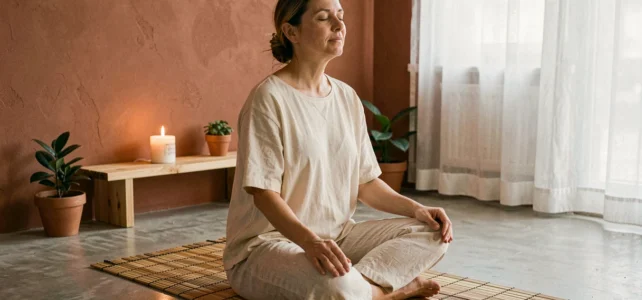
Gentle therapies cover a wide spectrum of practices, from sophrology to osteopathy, including mindfulness meditation. Their common point: a non-drug approach to well-being, centered on the body and mind. The visibility of well-being support through these methods is increasing, but not all offer the same level of evidence or regulatory framework in France.
Gentle therapies and legal framework: what has changed since 2024
The Ministry of Health classifies these approaches under the term “non-conventional health practices” (PNCS). They are neither scientifically recognized in the same way as conventional medicine nor taught in the initial training of health professionals. This distinction has direct consequences on the responsibility of practitioners.
Since 2024-2025, the responsibility of doctors recommending non-conventional therapies is more strictly regulated. The Council of State validated in December 2025 the decree n°2025-4 of January 3, 2025, specifying the conditions for using certain non-drug therapies in home hospitalization. The stated objective: to ensure fair information to the patient and to combat abuses.
For those seeking structured well-being support, dedicated spaces for holistic care offer an appropriate framework, as can be discovered on https://espacerenaitre.fr/, which brings together several complementary disciplines.
The WHO itself recognizes the value of traditional and complementary medicines while emphasizing strict regulation to avoid risks related to self-medication and drug interactions. The message is clear: these practices complement medical follow-up without replacing it.
Stress, pain, relaxation: comparison of non-drug approaches
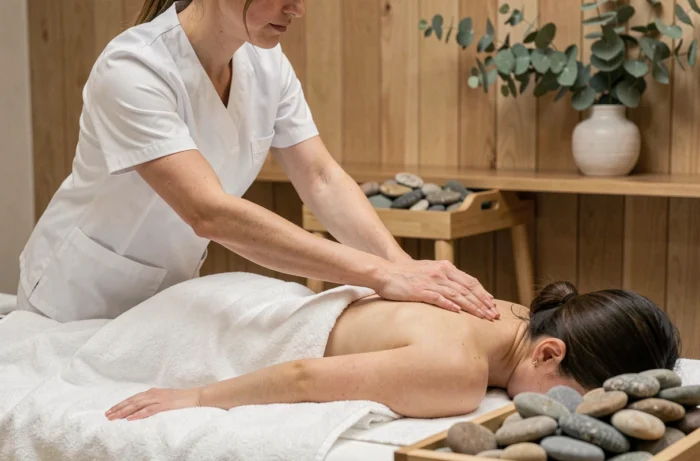
Not all gentle therapies target the same symptoms. Some primarily act on muscle tension, others on emotional balance or daily stress management. The table below summarizes the main focuses of some common practices.
| Practice | Main target | Mode of action | Level of evidence |
|---|---|---|---|
| Mindfulness meditation (MBSR) | Stress, chronic pain | Attention regulation, reduction of emotional reactivity | Published clinical studies (RCT protocols) |
| Osteopathy | Muscle tension, lower back pain | Manual manipulation of tissues and joints | Recognized by decree in France, moderate evidence |
| Sophrology | Anxiety, sleep disorders | Breathing exercises, dynamic relaxation | Limited evidence, used in hospital settings |
| Acupuncture | Pain, nausea | Stimulation of specific points with needles | Recognized by WHO for certain indications |
| Thermal cure | Rheumatism, overall relaxation | Hydrotherapy, thermal treatments | Partially covered by health insurance |
A notable gap appears between practices benefiting from controlled studies and those that rely mainly on testimonials. Mindfulness meditation has the most extensive scientific corpus among non-drug approaches aimed at pain and stress management.
Meditation and chronic pain: documented protocols
Brief mindfulness interventions have shown a measurable effect on the perception of chronic pain, according to protocols published in peer-reviewed journals. The principle is based on modifying the relationship to the painful sensation rather than its suppression. In contrast, sophrology, although used as a complement in some hospital services, does not yet have a comparable volume of studies.
Gentle therapies in daily life: criteria for choosing suitable support
The choice of a gentle therapy is not made randomly. Several concrete criteria allow filtering options and avoiding disappointments.
- Check the practitioner’s training: some disciplines (osteopathy, chiropractic) require a state-recognized diploma. For others, ask about the training followed and the certifying organization.
- Identify the primary need: relaxation and stress relief, management of work-related stress, alleviation of physical tension, or support for mild depressive states. Each objective points towards different practices.
- Evaluate complementarity with medical follow-up: a serious practitioner will never ask to interrupt conventional treatment. The question “Do you work in connection with my general practitioner?” is a good indicator of reliability.
- Consider frequency and cost: thermal cures involve a commitment over several weeks, while follow-up in sophrology or meditation can fit into a weekly rhythm. Some mutual insurance companies partially reimburse sessions of osteopathy or acupuncture.
Warning signs against abuses
The Ministry of Health recommends asking several questions before resorting to a PNCS. A practitioner who promises a cure, who requests the cessation of medical treatment, or who refuses to communicate about their training presents concerning signals. Reliable well-being support relies on the transparency of the practitioner regarding their limits and scope of competence.
Thermal treatments and relaxation: an underestimated French specificity
France has a dense network of thermal spas, and thermal cures remain the only well-being practice partially covered by health insurance under the condition of a medical prescription. This hybrid positioning, between conventional health and relaxation, makes it a unique case in the landscape of gentle therapies.
Thermal treatments combine hydrotherapy, massages, and exercises in aquatic environments. Their effect on joint pain and stress-related tensions is documented in French medical literature. However, geographical access remains uneven across regions, and the standard duration of a cure (three weeks) poses a barrier for working individuals.
Well-being support through gentle therapies is not just a list of interchangeable practices. The level of evidence, regulatory framework, and practitioner training create significant differences between disciplines. Cross-referencing available data with one’s own needs remains the most reliable approach to rejuvenate without taking risks.