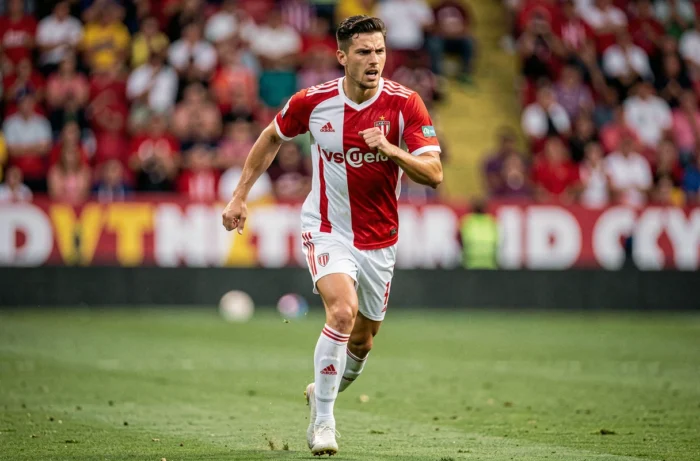
The 2026-2027 football season has started with a busy schedule and regulatory changes that few supporters are yet aware of. Between the new rules on effective playing time, the evolution of sports sponsorship, and the debut of Ligue 1, the football landscape is transforming on multiple fronts simultaneously.
FIFA’s new rules on effective playing time: what changes concretely on the field
Debates about time-wasting in football are not new. What is new, however, are the measures adopted by IFAB and FIFA to address it in a quantified and binding manner.
Among the provisions tested or already applied in several leagues: a strict 5-second limit for goal kicks and throw-ins, under penalty of a corner or loss of possession. A player treated on the field must remain off the game for one minute before being able to return. Substitutions are governed by a 10-second rule with a visible timer for the public, and any exceeding can leave the team with ten players for a minute.
The initial feedback from the field is significant. In Portugal, where these measures have been implemented in Liga, data indicates about three additional minutes of effective play per match. Football gains in pace, but opinions on this point diverge: some coaches believe that the pressure for quick restarts favors teams with high pressing, to the detriment of those that build more slowly.
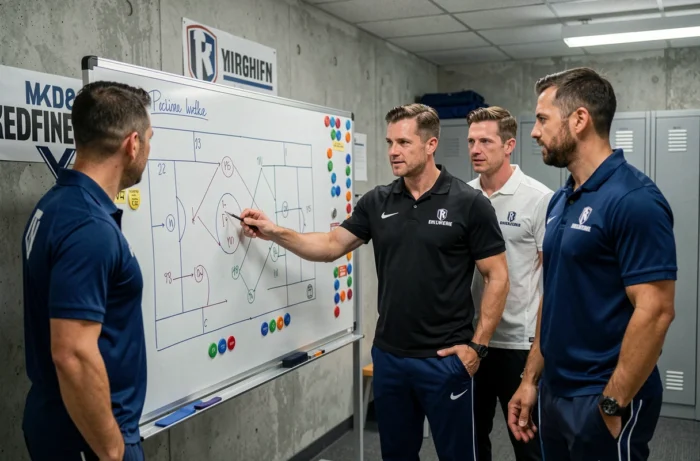
The extension of VAR powers accompanies this movement. The video referee can now intervene on an unjustly awarded corner or a controversial second yellow card. These adjustments often go unnoticed in the French media, which focus more on refereeing controversies than on structural mechanisms. Following the news on 11lemagazine.fr allows for this type of analysis throughout the season.
Football sponsorship in 2026: a market that is reconfiguring
Global sports sponsorship has reached a new level in recent years. According to data compiled by several specialized firms, the global market is around $78.9 billion worldwide, with football as the main driver of this growth.
The nature of partnerships is evolving. Contracts are no longer limited to a logo on a jersey. Clubs negotiate integrated agreements that combine:
- Targeted digital activations, with co-produced content between the club and the sponsor for social media
- Rights to use fan data, transforming fan bases into measurable advertising assets
- Segmented regional partnerships, where the same club signs with different brands depending on geographical areas
Manchester City, Borussia Dortmund, and AC Monza illustrate this trend with recent agreements that prioritize data and digital engagement over mere passive visibility. Sports sponsorship is becoming a performance marketing lever, not just a brand awareness tool.
Saudi Arabia as a football consumption laboratory
A recent study on young Saudi supporters shows that football consumption now occurs across multiple platforms simultaneously. Fans no longer watch a match on a single screen: they comment live on social media, check real-time statistics, and interact with content from specialized creators.
This multi-screen behavior pushes broadcasters and clubs to rethink their offerings. The Saudi Pro League serves as a testing ground for advertising formats integrated into the viewing experience, a model that European leagues are closely observing.
Ligue 1 season 2026-2027: PSG, Monaco, and the first lessons
The early days of Ligue 1 have raised more questions than they have answered. Luis Enrique’s PSG led against Monaco before conceding the equalizer, reigniting questions about the management of Parisian match endings.
In Toulouse, LOSC found in Ueda a striker capable of immediately justifying his transfer. The Japanese player scored the winning goal in his first start, confirming Lille’s targeted recruitment strategy focused on the Japanese league.
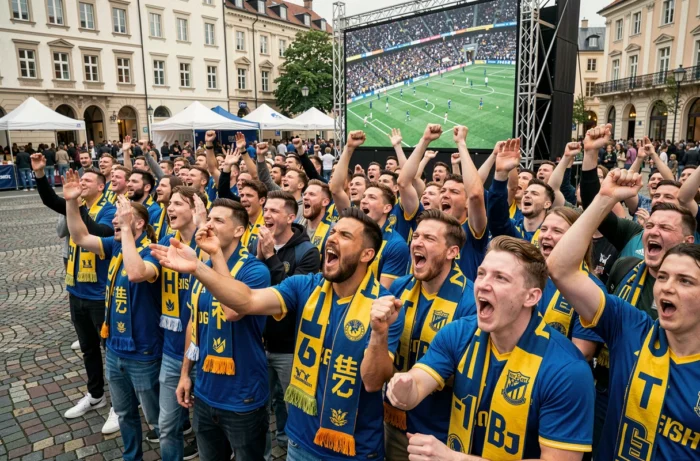
The available data does not yet allow for conclusions about the competitive balance of this season. However, one observation stands out: the summer transfer window of 2026 accelerated the internationalization of Ligue 1 squads. Several mid-table clubs have recruited from previously under-exploited leagues (South Korea, Mexico, Turkey), seeking athletic profiles compatible with the new pace requirements imposed by the effective playing time regulations.
Analytics and football: data as a competitive advantage
The sports analytics market is experiencing rapid growth. According to Fortune Business Insights, the sports analytics sector represents several billion dollars, with football being the primary beneficiary.
Professional clubs no longer just track expected goals or possession. Current models incorporate:
- Real-time biomechanical analysis to prevent injuries, correlating training load and GPS data
- Tracking off-the-ball movements, which allows for evaluating the quality of runs and collective pressing
- Modeling tactical scenarios, used to prepare set pieces and transitions
This sophistication creates a gap between clubs that invest in their data departments and those that do not have the means. Premier League and Bundesliga teams typically have much more developed analytics departments than their Ligue 1 counterparts, raising questions about the long-term European competitiveness of French clubs.
The 2026-2027 season will serve as a real-world test for the new rules on effective playing time. If the three additional minutes observed in Portugal are confirmed in the major leagues, the physical profile of players sought by recruiters could evolve sustainably, favoring athletes capable of maintaining high intensity over longer sequences of play.